Stories
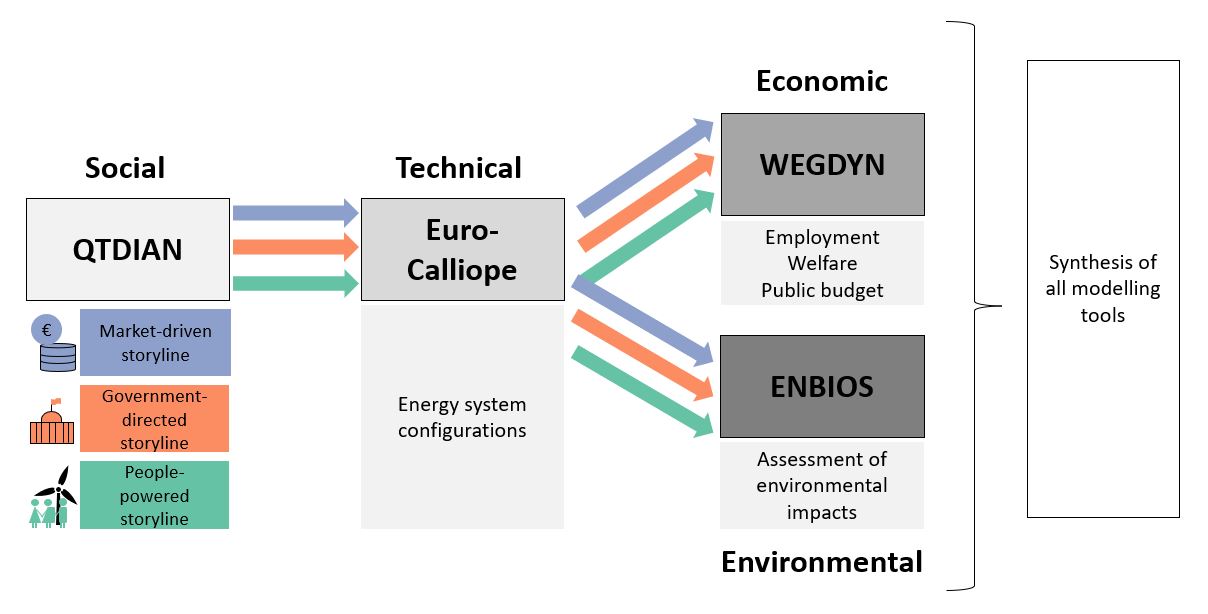
Socio-political storylines can support the better representation of social and political aspects in energy models and thus a more realistic analysis of possible energy system designs
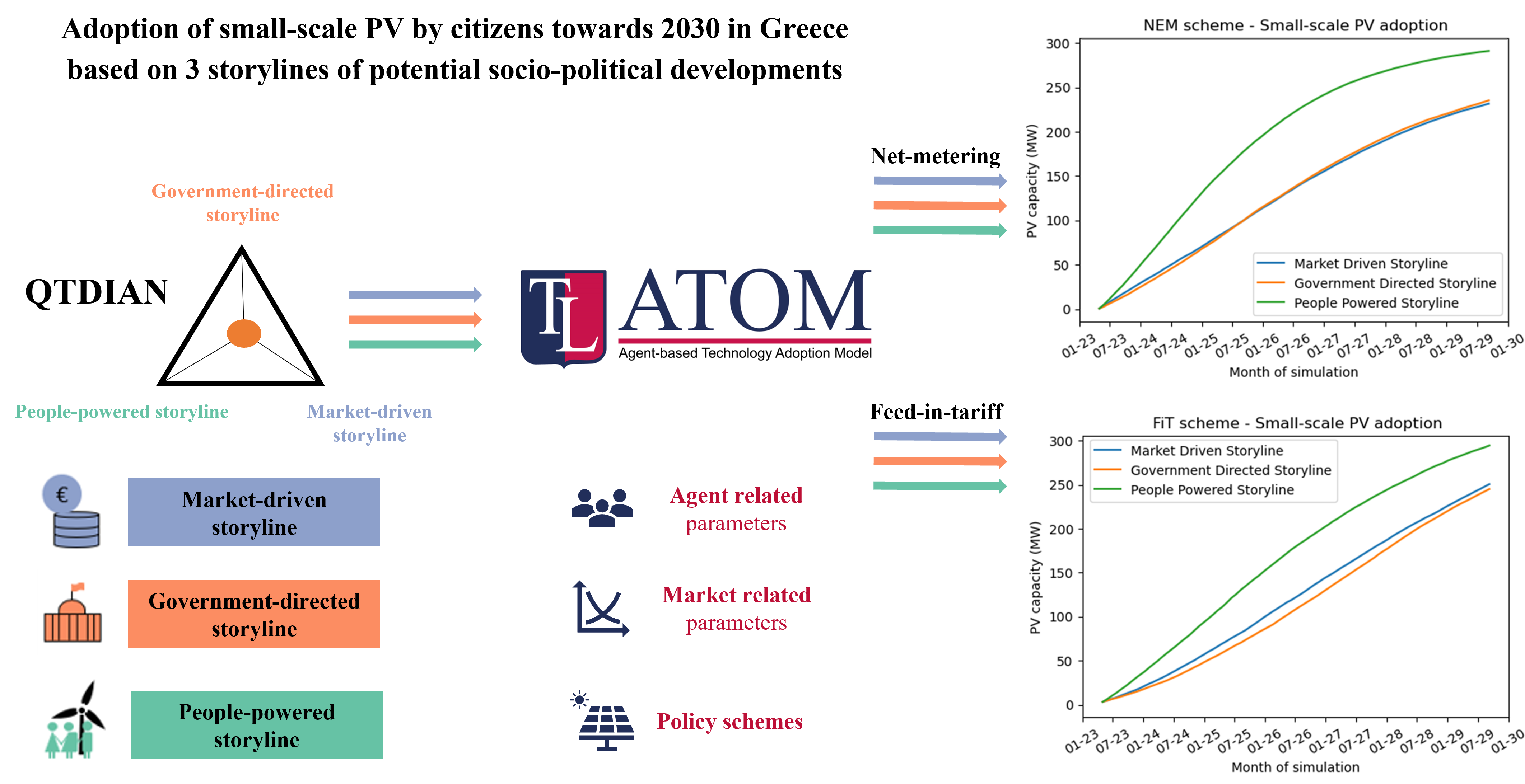
Empowerment of citizens’ role in the energy transition is a key factor in meeting the capacity targets of small-scale PV by 2030 in Greece.
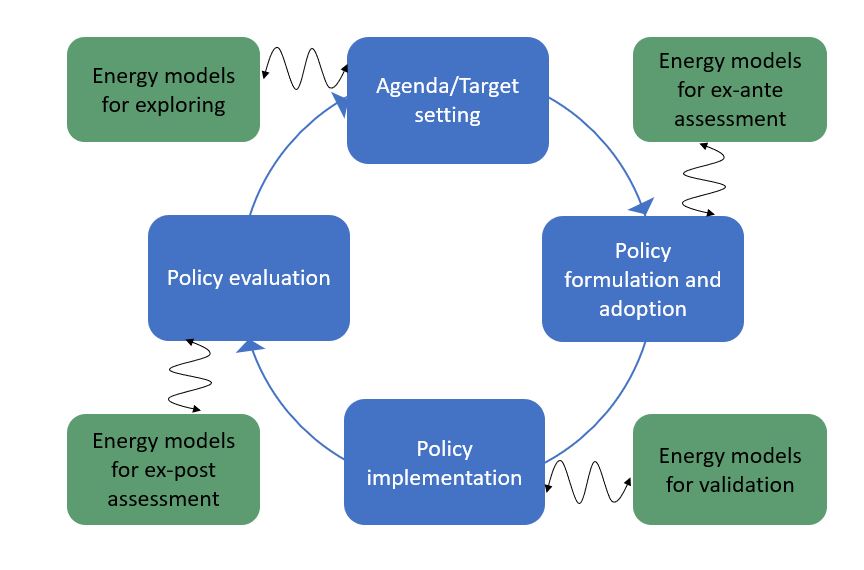
Energy models affect energy policy – and policy affect models, too
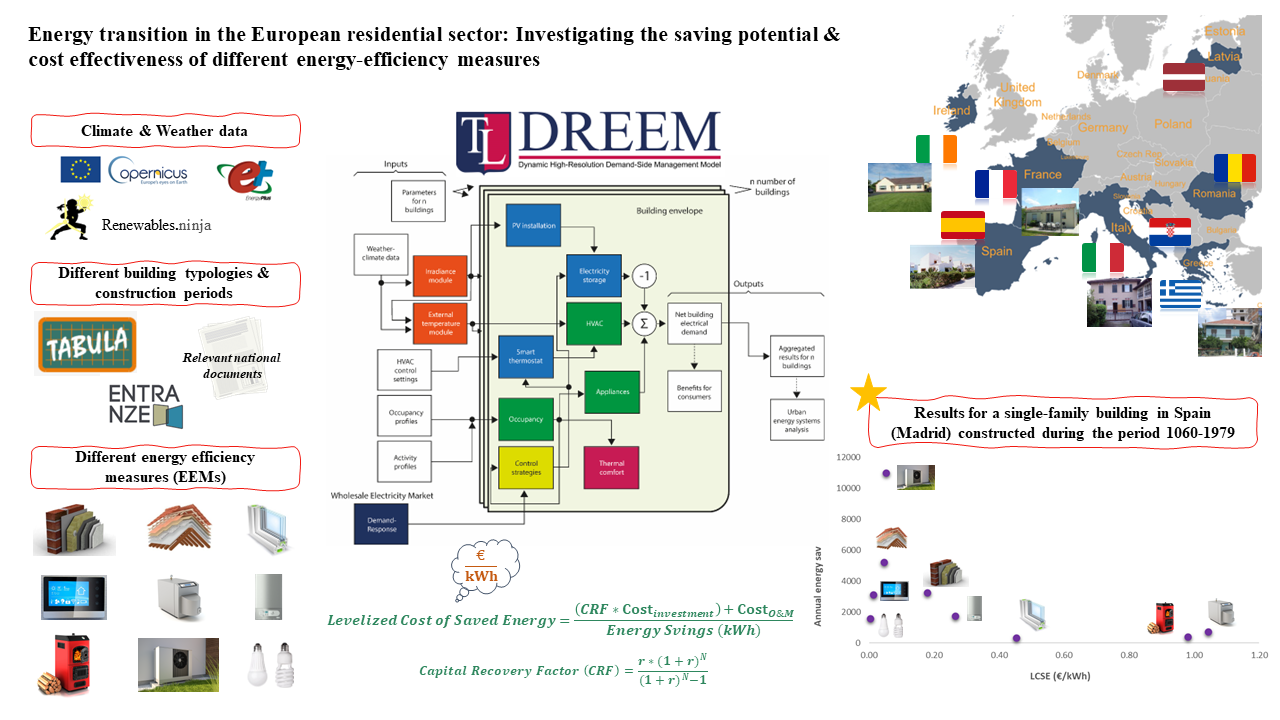
When it comes to energy efficiency measures in the European residential building sector, heat pumps display high energy saving potential and competitive cost-effectiveness in several countries.
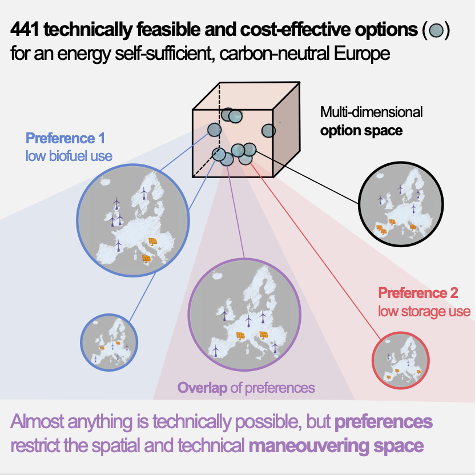
There is a wide diversity of equally feasible solutions for a climate-neutral Europe
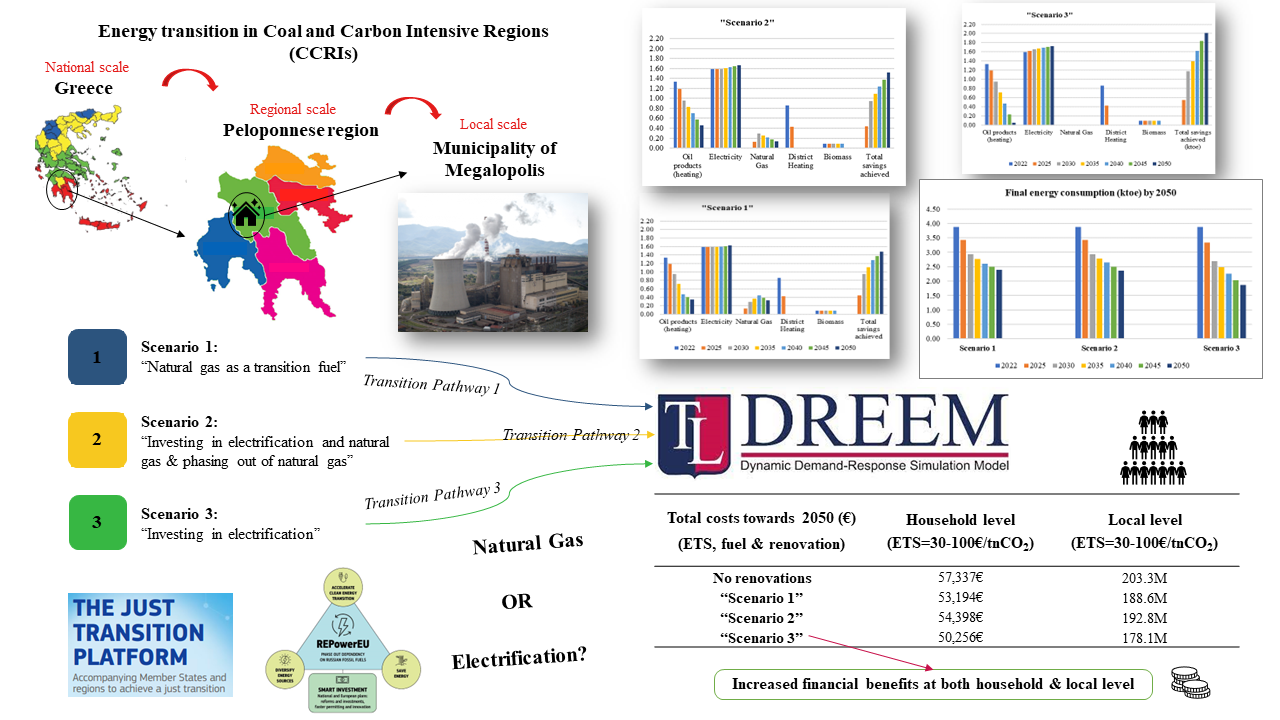
Decommissioning lignite power plants in the coal and carbon intensive region of Megalopolis in Greece cannot lead to a just transition if national planning keeps on promoting investments in new natural gas infrastructure.
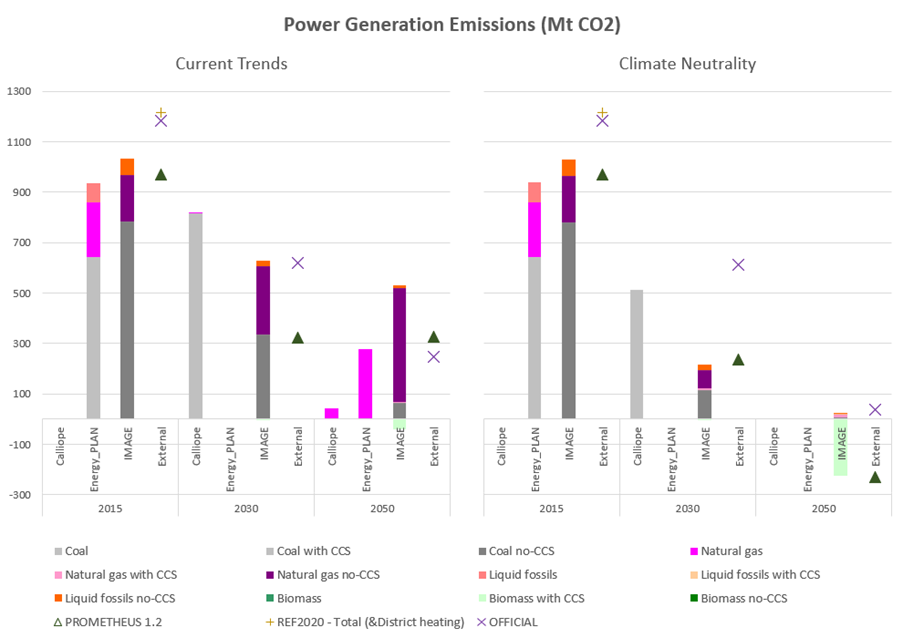
By including additional energy carriers or more detailed specification of existing carriers a model’s flexibility in representing the energy system increases
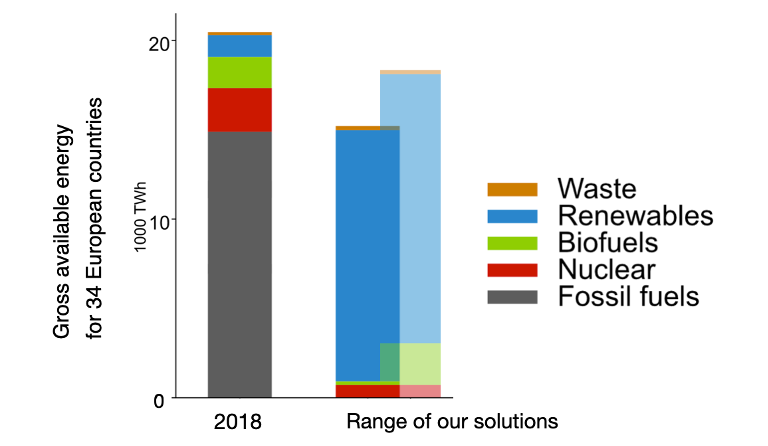
Europe can become climate-neutral without fuel or electricity imports
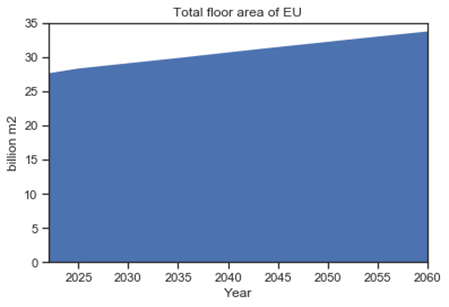
European building floor area is expected to increase by 16% by 2050
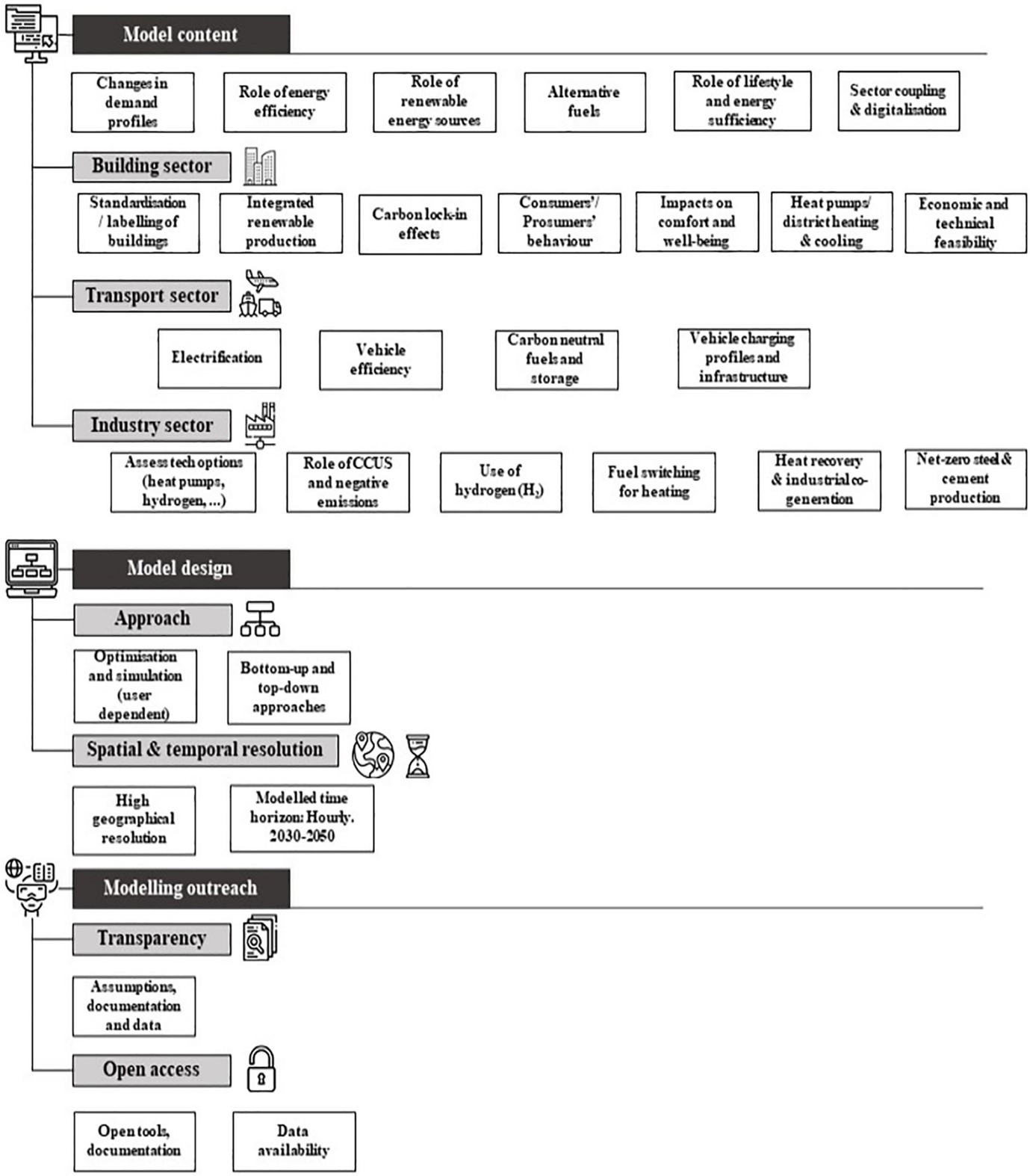
The existing energy demand models often do not consider some of the major modelling parameters relevant for energy transition
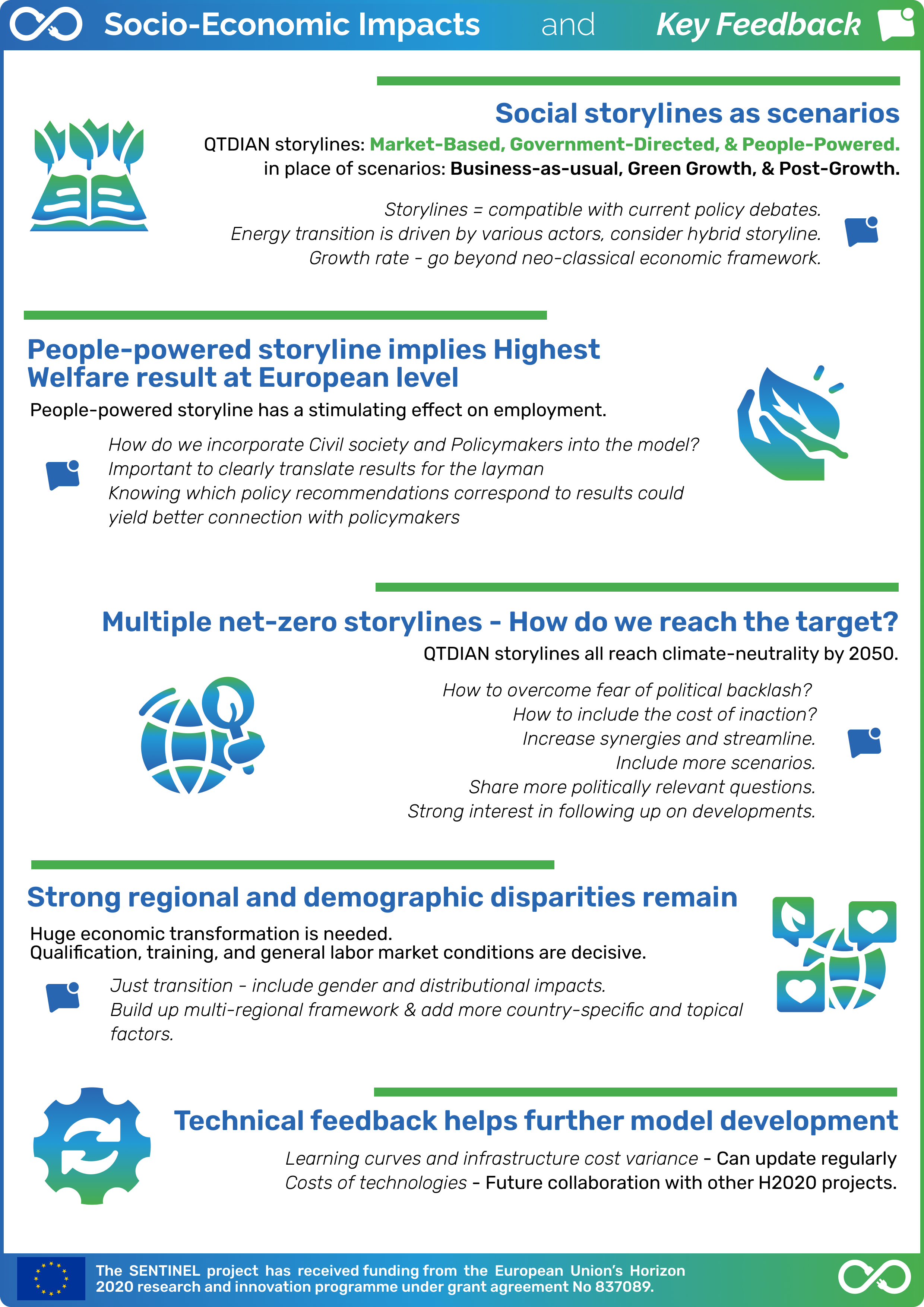
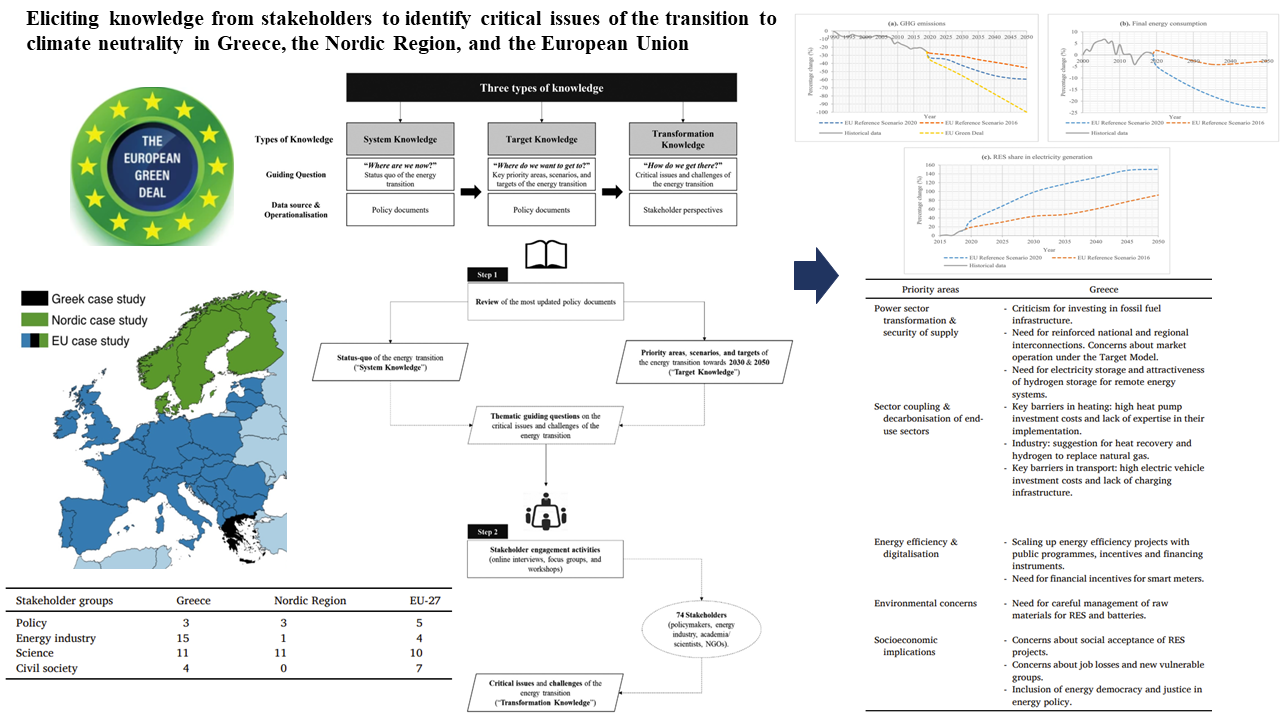
Involving and engaging stakeholders should be an integral part of each energy modelling process as it improves the quality of the results and increases their legitimacy.
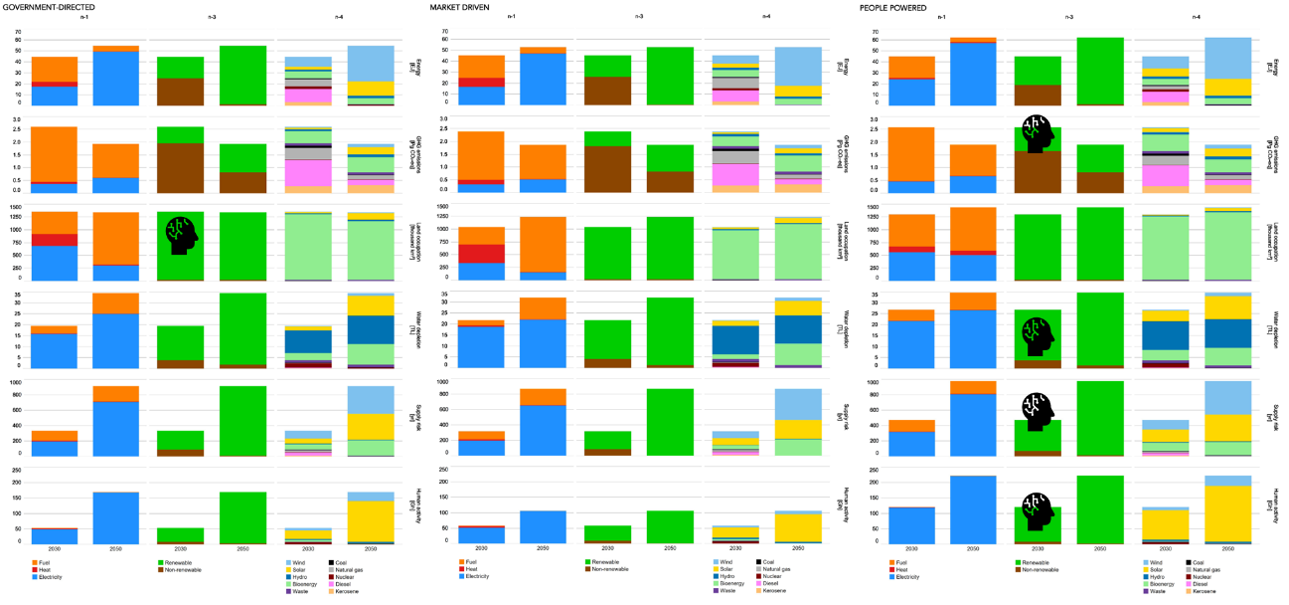
The energy transition guided by the people´s narrative has more land use than the market-based
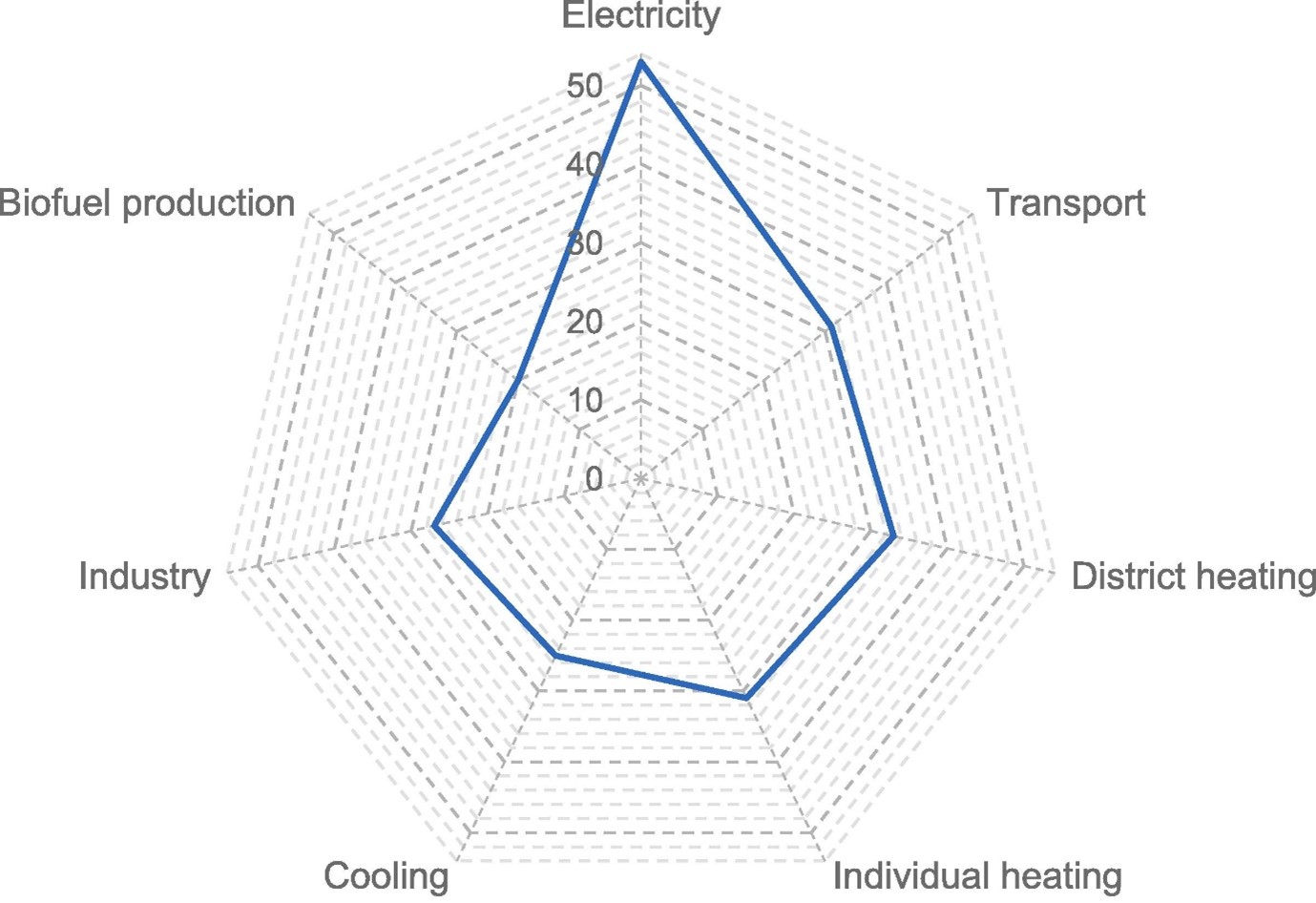
Modelling is becoming more diverse and open, but challenges still remain in modelling of all sectors and tool coupling.
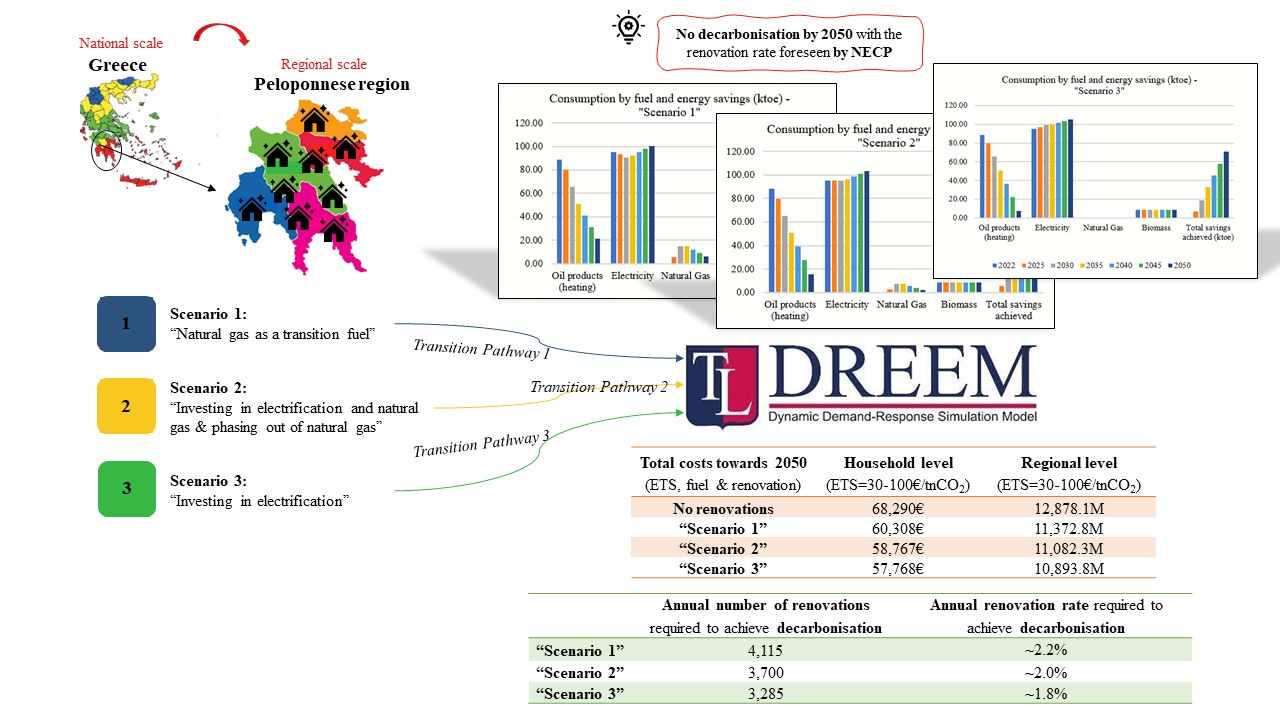
Decarbonisation in the residential sector in the Peloponnese region in Greece cannot be achieved through the current national planning focusing on investing in new natural gas infrastructure.
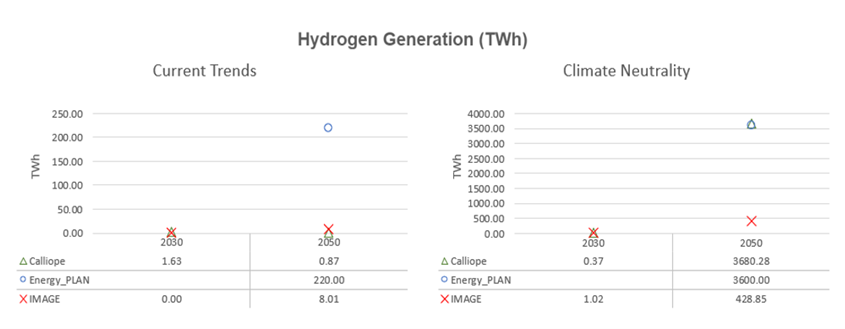
Different projections on hydrogen use can significantly affect the power supply sector.
We might be able to reach absolute decoupling of CO2 emissions (declining) and economy activity (rising) in Europe
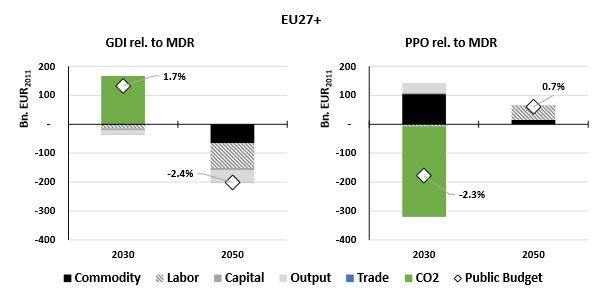
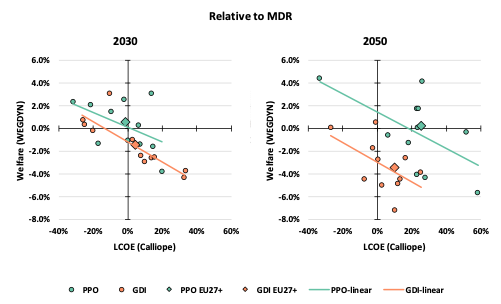
… the incentives for and ability of providing fiscal stimulus to climate neutral development differ in size, direction and inter-temporally across social storylines. Shortsighted policy makers would see an incentive to foster the government directed (GDI) storyline, while in the longer-term policy makers would prefer the people powered (PPO) storyline.
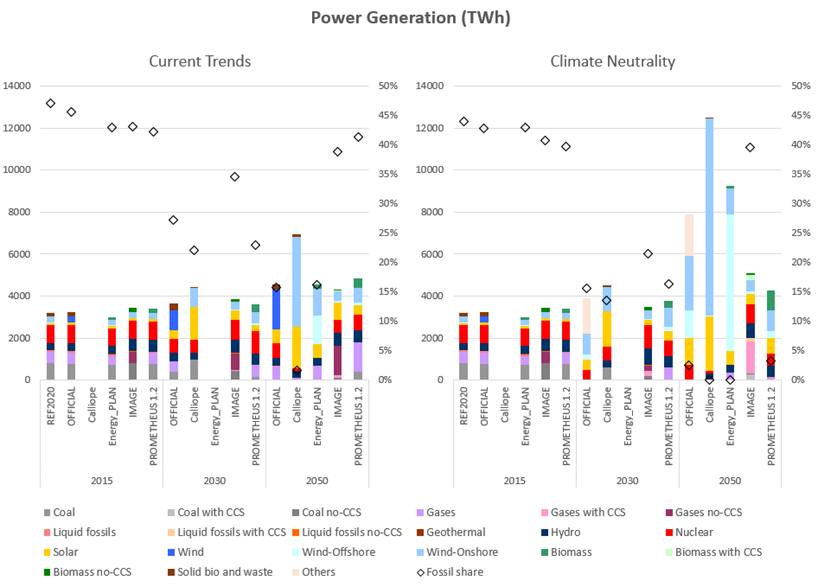
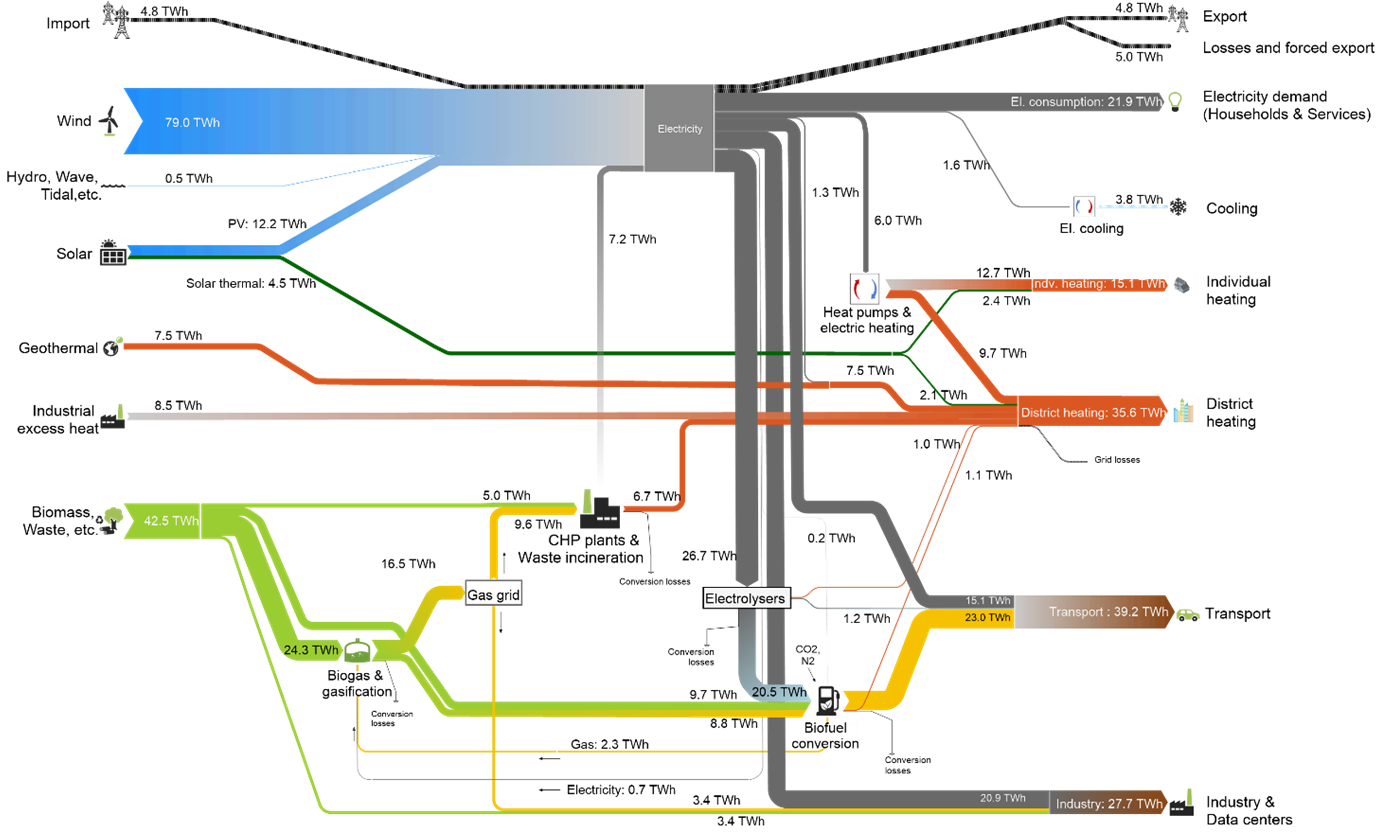
There are many pathways for EU to become climate neutral by 2050, including one where fossil fuels still play a significant role as energy carriers
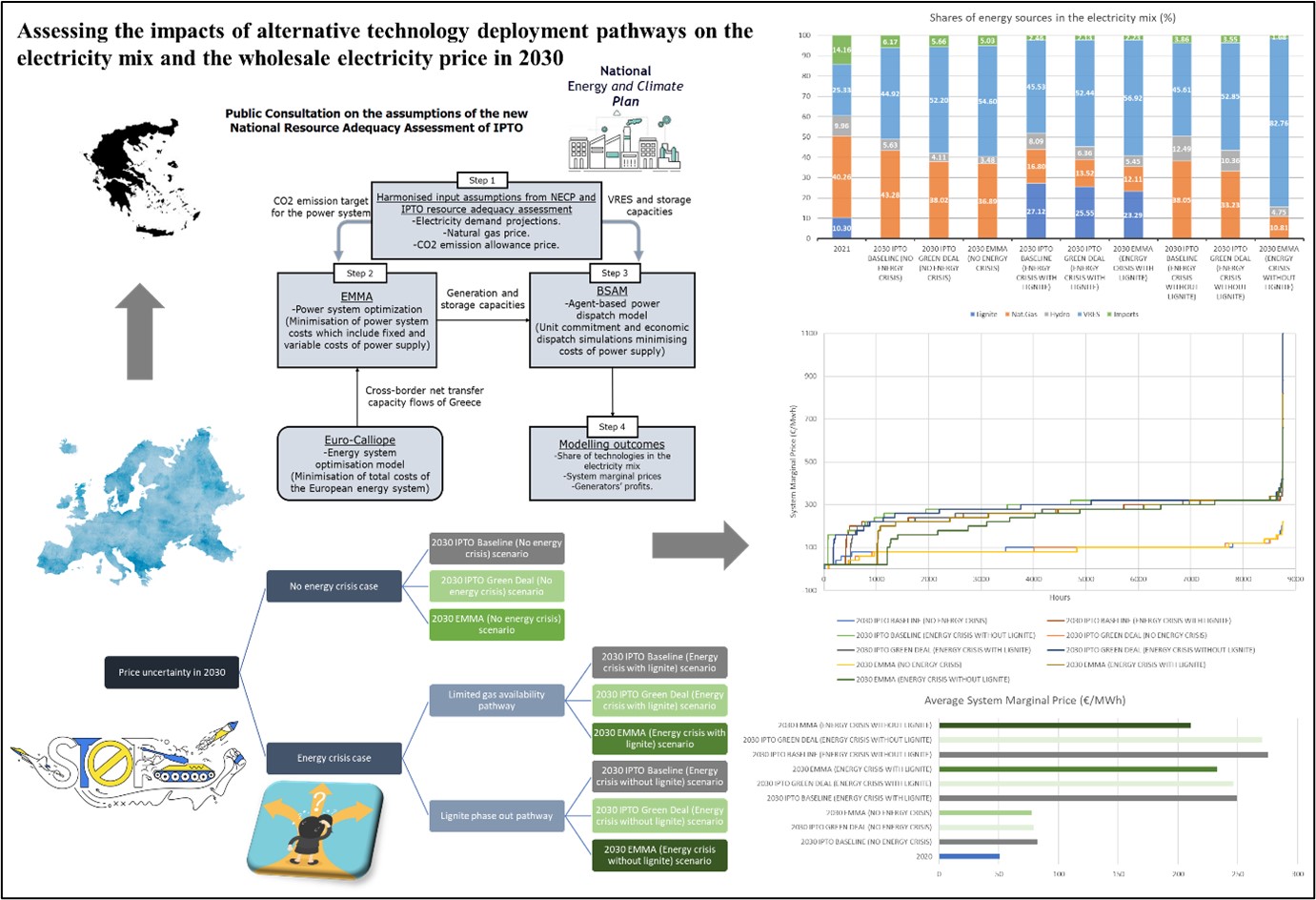
Renewable- versus fossil-based power generation system buildouts will not result in much different wholesale electricity prices in 2030 unless policies capable of decoupling fossil fuel prices from the electricity price are in place.
System efficiency through district heating and cooling are important to include in modelling
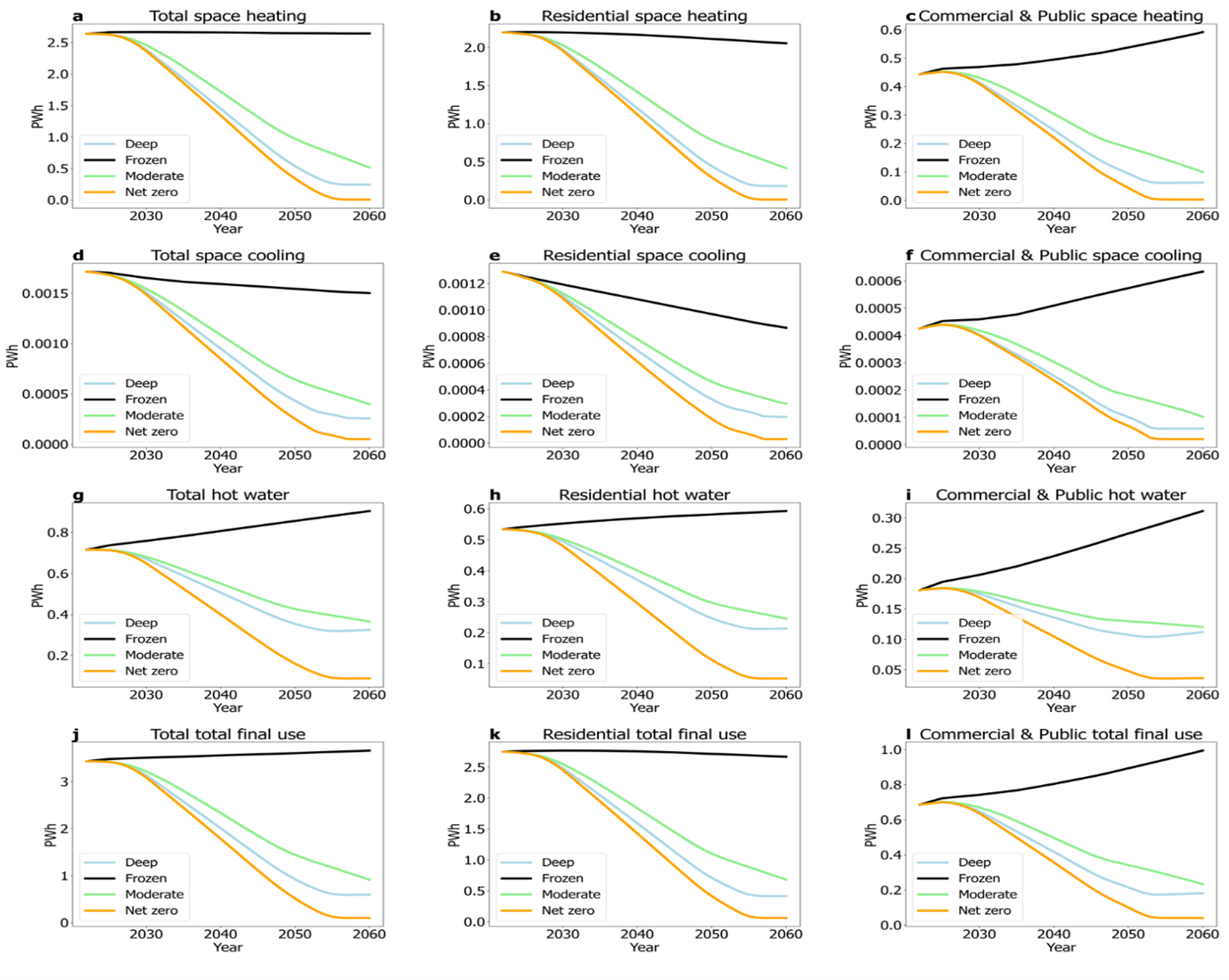
European building can substantially reduce energy demand by 2050 with the state-of-the-art building constructions and renovation
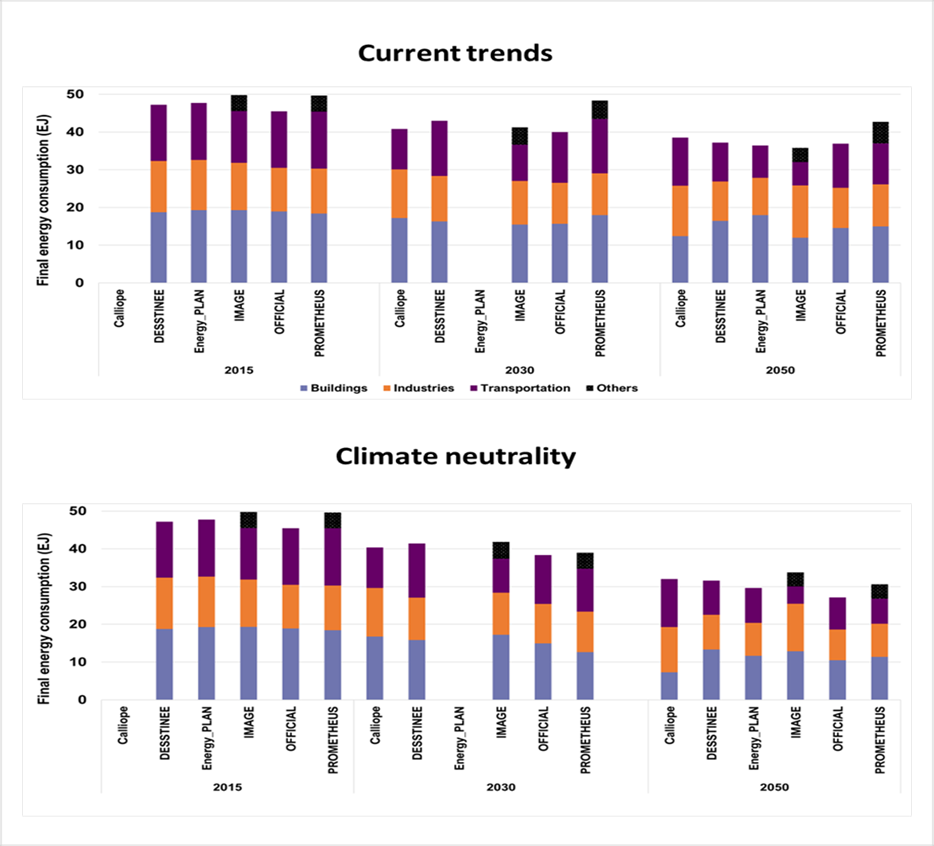
Reductions in final energy consumption by 2030 are mostly driven by the buildings sector, particularly in the Climate neutrality scenario
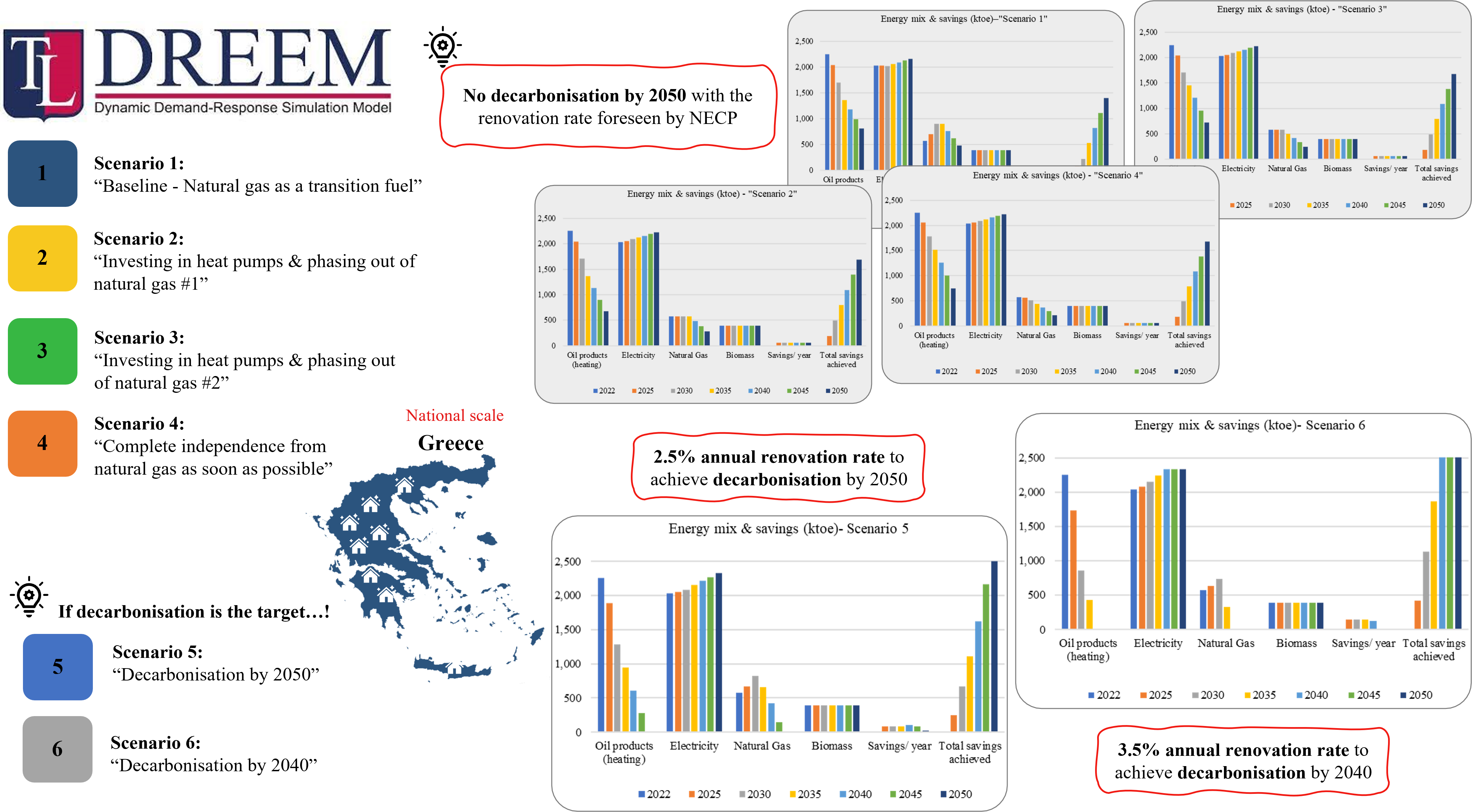
The existing National Energy and Climate Plan’s target of annual household renovations cannot lead to the decarbonisation of the residential sector by 2050 in Greece, while investing in electrification could lead to lower total costs at both the national and the household level, compared to current planning about investing in natural gas as a transition fuel.
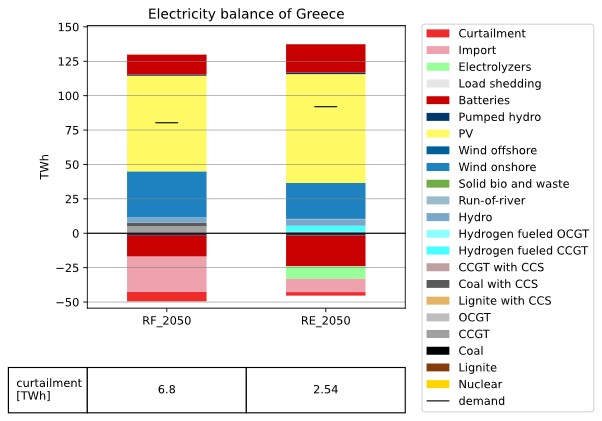
The combined flexibility provided by different storage technologies can be a key to a net zero electricity system.
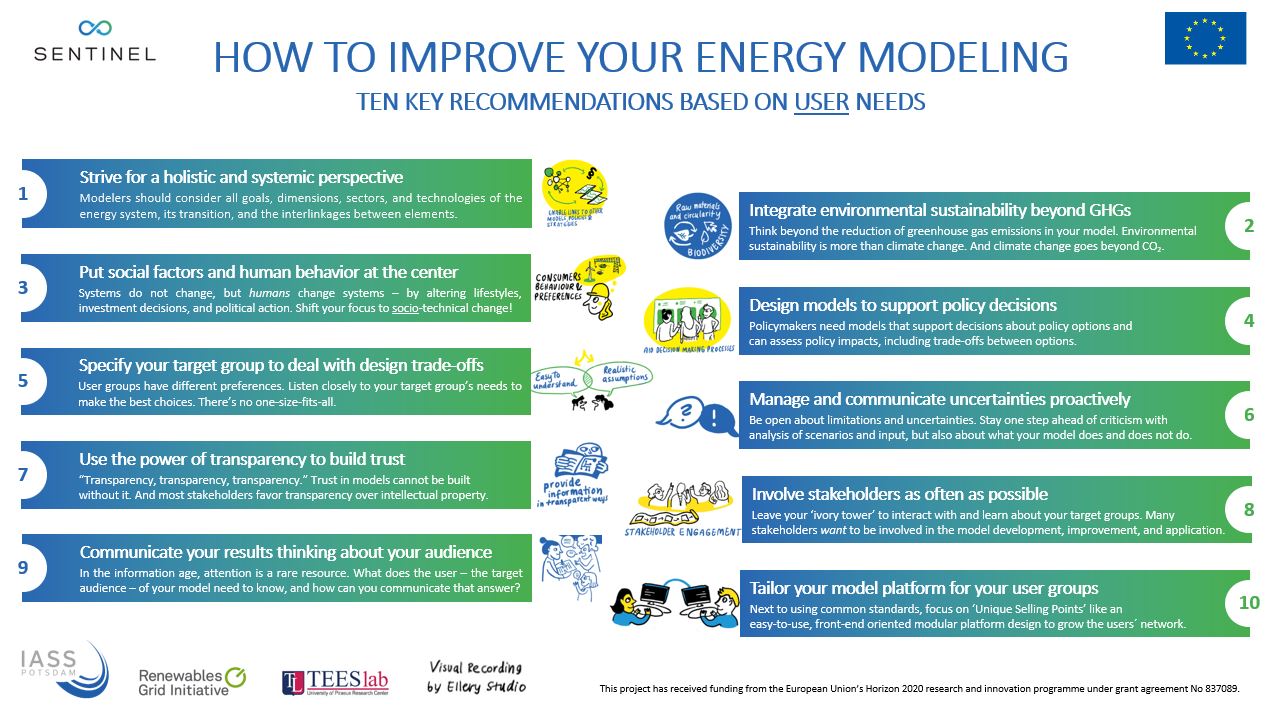
Energy models meet manyuser needs, but still largely ignore social and environmental aspects – to increase policy relevance of models, it is necessary to integrate such non techno-economic factors.